
Nobody Asked For This. That’s Why It Worked
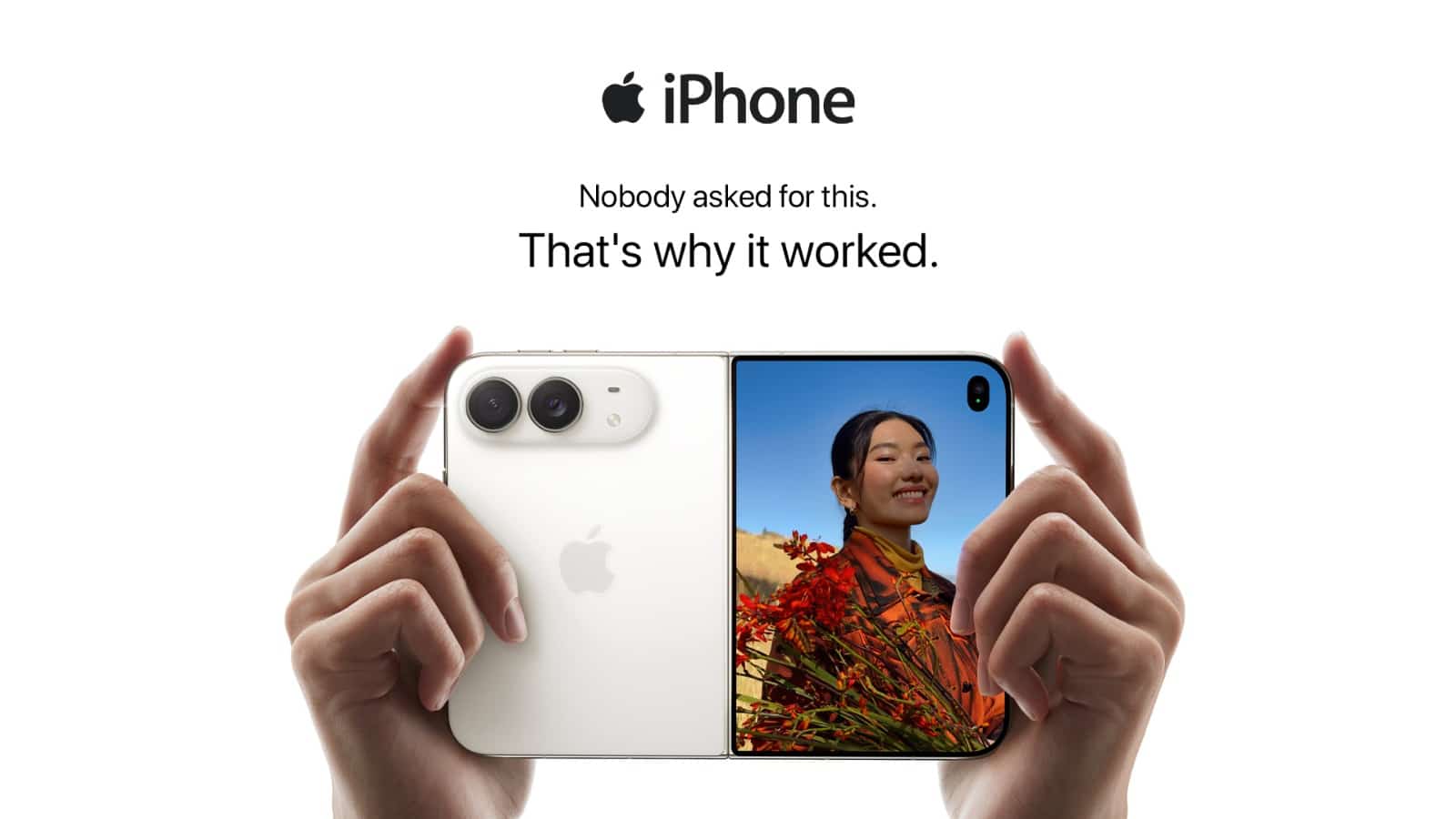
Insight: Some of the most memorable products/campaigns weren’t created because people asked for them. They worked because they gave people something they didn’t know they wanted.
Nobody asked for a phone without a physical keyboard.
Nobody asked for a tiny computer you could wear on your wrist.
Nobody was sitting around saying, “You know what my coffee experience needs? A subscription.”
And yet, some of the products and campaigns we now consider obvious started with something that didn’t exist in the first place:
People weren’t asking for them.
That’s because there is a difference between giving people what they want and showing them something they didn’t know they wanted.
If nobody asked for it, why make it?
Marketing has become increasingly obsessed with listening to consumers.
Search data. Social listening. Reviews. Surveys. Focus groups. Comments.
There is a lot we can learn from what people are already saying.
But there’s a catch.
If we only build based on what people explicitly ask for, we might end up making better versions of things that already exist.
People can tell you what they want improved.
But they aren’t always able to imagine what doesn’t exist yet.
The iPhone didn't answer the demand. It changed the expectation
Before the iPhone, smartphones existed.
Touchscreens existed.
MP3 players existed.
Mobile internet existed.
What Apple did was bring these behaviours together into one experience and make it feel inevitable.
That is an important distinction.
Innovation isn’t always about creating something nobody has ever seen.
Sometimes it’s about taking things people already know and combining them in a way they didn’t think to ask for.
Nobody asked for a yearly personality report either
While you listen to music, you never truly thought of Spotify Wrapped.
People already knew their listening history existed somewhere inside Spotify.
But nobody was asking if Spotify can turn their music data into a colourful annual personality sharable report?”
Yet Spotify did it anyway, and suddenly, listening history became social currency.
Your top artist became a conversation starter.
Your most-played song became a personality trait.
Your music taste became something you could share, compare and debate.
Spotify didn’t just give users data.
It gave them a reason to care about their own data.
And more importantly, it gave them something they wanted to share before they knew they wanted it.
Sometimes, the idea is even less obvious
Think about Dove’s Real Beauty campaign.
People weren’t necessarily asking a soap brand to challenge the beauty industry’s definition of attractiveness.
They weren’t searching for another beauty campaign featuring ordinary women.
Dove saw a cultural tension instead.
Advertising had spent decades presenting an increasingly narrow version of beauty. So Dove chose to move in the opposite direction.
The campaign wasn’t built around a functional product request. It was built around a human truth.
And that is where some of the strongest marketing ideas begin.
There's a fine line between “unexpected” and “unnecessary”
Of course, not every unasked-for idea is automatically a good idea. That’s where marketers can get carried away.
Being unexpected isn’t enough. Being different isn’t enough. And “Nobody asked for this” isn’t a strategy.
The idea still needs a reason to exist.
The best unexpected ideas usually have one of three things behind them:
1. They solve problems people haven’t articulated.
People didn’t necessarily ask for wireless earbuds. But they did want a more seamless way to listen.
2. They create a behaviour people didn’t know they would enjoy.
Nobody asked Spotify to gamify their listening history. But once Wrapped existed, people wanted to see theirs.
3. They tap into a feeling people already had but hadn’t seen reflected.
Dove didn’t invent the insecurity around beauty standards. It gave that feeling a voice.
That’s the sweet spot.
Don’t invent a need. Discover an unspoken one.
The best question isn't “What do people want?”
Maybe it’s: “What would people love if we showed it to them?”
That’s a much harder question.
It requires curiosity.
It requires observation.
It requires taking a few risks.
And sometimes, it requires being willing to hear:
“But who asked for this?”
Because if the idea is genuinely useful, meaningful or exciting, that question might not matter for long.